
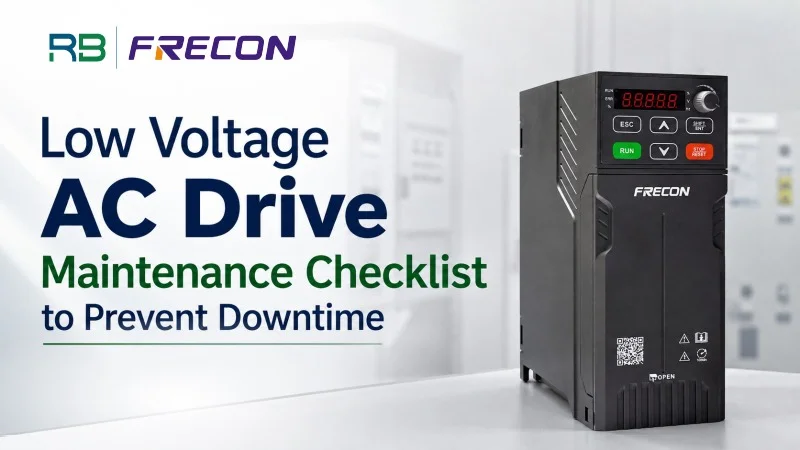
Low Voltage AC Drive Maintenance Checklist to Prevent Downtime
Key Takeaways
- Regular preventive maintenance minimizes unexpected downtime and extends the lifespan of Low Voltage AC Drives.
- A structured maintenance checklist can significantly reduce costly breakdowns in industrial facilities.
- Understanding common causes of drive failure helps prioritize inspection efforts for effective maintenance.
- Businesses planning to buy low voltage ac drives should prioritize proper maintenance practices to optimize performance.
- Routine inspections and cleaning enhance efficiency and reliability of Low Voltage AC Drives in various applications.
Industrial automation depends on reliable equipment that can operate continuously without unnecessary interruptions. Among the most critical components in modern manufacturing and processing industries is the Low Voltage AC Drive. It regulates motor speed, improves energy efficiency, reduces mechanical stress, and helps industries achieve precise operational control. However, even the most advanced drive can experience failures if regular maintenance is ignored.
Unexpected downtime is one of the biggest challenges for manufacturing facilities. A single drive failure can stop an entire production line, resulting in production delays, increased maintenance costs, product losses, and reduced customer satisfaction. Fortunately, most drive-related issues can be minimized through a structured preventive maintenance program. This comprehensive maintenance checklist explains how to inspect, clean, monitor, and maintain Low Voltage AC Drives for maximum reliability and longer service life. Whether you manage a manufacturing plant, water treatment facility, pharmaceutical company, food processing unit, or packaging industry, following these maintenance practices can significantly reduce costly breakdowns.
Businesses planning to buy low voltage ac drives should also understand proper maintenance practices before installation, as maintenance directly impacts the drive's lifespan and return on investment.
Understanding a Low Voltage AC Drive
A Low Voltage AC Drive, often known as a Variable Frequency Drive (VFD), controls the speed and torque of an AC motor by adjusting the frequency and voltage supplied to the motor. Instead of running motors continuously at full speed, these drives allow equipment to operate only at the speed required for the application.
This intelligent control improves productivity while lowering electrical consumption and reducing mechanical wear.
Low Voltage AC Drives are widely used in:
- Conveyor systems
- Pumps
- Compressors
- Cooling towers
- HVAC systems
- Mixers
- Packaging machinery
- Textile equipment
- Printing machines
- Food processing plants
- Chemical industries
Many industries looking to modernize their facilities prefer Low Voltage AC Drive Suppliers in india because they offer advanced automation solutions suitable for various industrial applications.
Why Preventive Maintenance Matters
Many industries mistakenly wait until a drive fails before taking corrective action. Reactive maintenance often results in:
- Unexpected production stoppages
- Emergency repair costs
- Motor damage
- Process interruptions
- Higher energy consumption
- Reduced equipment lifespan
Preventive maintenance provides several long-term benefits:
- Improved system reliability
- Reduced downtime
- Longer drive life
- Better motor protection
- Stable production output
- Lower maintenance expenses
- Improved workplace safety
- Higher operational efficiency
Routine inspections require significantly less time and money than replacing damaged drives or repairing production losses.
Common Causes of Low Voltage AC Drive Failure
Understanding the causes of failure helps maintenance teams focus on high-risk areas during inspections.
Dust Accumulation
- Dust is one of the biggest enemies of electronic equipment.
- Over time, dust settles inside cooling fans, ventilation channels, printed circuit boards, and heat sinks. This blocks air flow and increases internal operating temperatures.
- Higher temperatures accelerate component aging and reduce electronic reliability.
- Regular cleaning prevents overheating and extends equipment life.
Excessive Heat
Electronic components perform best within recommended temperature ranges.
Poor ventilation, blocked cooling fans, or high ambient temperatures increase stress on:
- Capacitors
- IGBTs
- Power modules
- Control boards
Continuous overheating gradually shortens component life.
Moisture and Humidity
Water vapor can cause corrosion inside electronic assemblies.
Moisture exposure may lead to:
- Short circuits
- Oxidation
- Insulation failure
- Sensor malfunction
Installing drives inside properly sealed electrical panels helps reduce these risks.
Loose Electrical Connections
- Industrial environments create constant vibrations.
- Over time, terminal screws may loosen, increasing electrical resistance.
- Loose connections generate unwanted heat, voltage fluctuations, and intermittent faults.
- Routine torque inspections help identify these issues before failures occur.
Voltage Fluctuations
- Power quality has a direct impact on drive reliability.
- Frequent voltage spikes, surges, or unstable electrical supply may damage sensitive internal electronics components.
- Installing suitable protection devices helps reduce electrical stress.
Cooling Fan Failure
- Cooling fans remove heat generated during operation.
- If fans become dirty, worn, or stop functioning, internal temperatures increase rapidly.
- Replacing aging cooling fans before failure is a simple preventive measure that protects expensive electronic components.
Complete Low Voltage AC Drive Maintenance Checklist
1. Perform a Visual Inspection
Every maintenance schedule should begin with a detailed visual inspection.
Look for:
- Dust accumulation
- Oil contamination
- Water leakage
- Burn marks
- Discolored components
- Loose wiring
- Broken covers
- Corrosion
- Damaged connectors
Visual inspections often identify developing issues before they become expensive failures.
2. Clean the Drive Regularly
Cleaning should always follow manufacturer’s recommendations.
Areas requiring regular cleaning include:
- Cooling fans
- Ventilation grills
- Heat sinks
- Cabinet interiors
- Air filters
- Control panels
Use dry compressed air or approved vacuum equipment.
Avoid excessive air pressure that could damage sensitive electronic components.
3. Check Cooling System Performance
The cooling system plays a vital role in maintaining safe operating temperatures.
Inspect:
- Fan rotation
- Airflow direction
- Fan noise
- Air filter condition
- Ventilation openings
Replace worn cooling fans according to recommended maintenance intervals.
4. Tighten Electrical Connections
Loose electrical terminals can create serious operational issues.
Inspect all:
- Power terminals
- Control terminals
- Ground connections
- Motor terminals
- Communication wiring
Use proper torque specifications provided by the manufacturer.
Never overtighten electrical connections.
5. Monitor Operating Temperature
Temperature monitoring helps identify hidden issues.
Check:
- Drive cabinet temperature
- Heat sink temperature
- Ambient room temperature
- Cooling airflow
Persistent high temperatures may indicate blocked ventilation or overloaded operation.
6. Inspect Power Supply Quality
Stable input voltage supports reliable drive performance.
Verify:
- Input voltage balance
- Frequency stability
- Grounding quality
- Harmonic conditions
- Protective devices
Poor power quality reduces the lifespan of electronic components.
7. Verify Display and Error Logs
Modern Low Voltage AC Drives record operational events and fault histories.
Review:
- Alarm history
- Fault codes
- Warning messages
- Parameter changes
- Runtime statistics
Trend analysis helps identify recurring problems before complete failure occurs.
8. Inspect Control Wiring
Control cables are essential for accurate drive communication.
Check for:
- Damaged insulation
- Loose connectors
- Cable bending
- Signal interference
- Broken terminals
Reliable control wiring improves operational stability.
9. Test Safety Functions
Safety features protect both personnel and equipment.
Verify proper operation of:
- Emergency stop circuits
- Motor overload protection
- Ground fault detection
- Overvoltage protection
- Undervoltage protection
- Thermal protection
Functional safety testing should be included in scheduled maintenance activities.
10. Verify Motor Performance
The drive and motor operate as a complete system.
Observe:
- Motor vibration
- Noise levels
- Speed stability
- Temperature rise
- Load variations
Abnormal motor behavior may indicate drive configuration issues or mechanical problems.
11. Check Communication Interfaces
Modern Low Voltage AC Drives are often connected to PLCs, HMIs, SCADA systems, and industrial networks. Communication problems can interrupt production even if the drive itself is functioning correctly.
Inspect:
- Ethernet communication cables
- Modbus connections
- PROFIBUS or PROFINET interfaces
- CANopen connections
- Communication terminals
- Network indicators
Verify that communication parameters match the automation system configuration. Stable communication helps operators monitor drive performance and respond quickly to abnormal conditions.
12. Review Drive Parameters
Incorrect parameter settings can reduce efficiency and even damage connected equipment.
Regularly review:
- Motor rated voltage
- Motor rated current
- Maximum frequency
- Minimum frequency
- Acceleration time
- Deceleration time
- Torque limits
- Protection settings
Any unauthorized parameter changes should be investigated immediately. Keeping a backup of the original configuration also simplifies future maintenance.
13. Inspect Capacitor Health
Capacitors are among the most important components inside a Low Voltage AC Drive. Their performance naturally declines over time due to age and operating temperature.
Watch for signs such as:
- Bulging capacitor tops
- Fluid leakage
- Unusual odors
- Excessive heating
- Frequent drive trips
Periodic inspection allows maintenance teams to replace aging capacitors before they cause unexpected shutdowns.
14. Examine Heat Sinks
Heat sinks remove excess heat from power electronics. If they become clogged with dust or dirt, cooling efficiency decreases significantly.
Inspect for:
- Dust buildup
- Bent fins
- Physical damage
- Restricted airflow
Clean heat sinks carefully during scheduled maintenance to maintain proper thermal performance.
15. Verify Grounding
Proper grounding protects both equipment and personnel.
Inspect:
- Ground cables
- Earthing terminals
- Panel grounding
- Cable shields
Poor grounding can contribute to electrical noise, unstable communication, and unnecessary equipment faults.
Recommended Maintenance Schedule
A structured maintenance schedule helps reduce unexpected failures while extending equipment life.
Daily Inspection
Operators should check:
- Display status
- Alarm indications
- Cooling fan operation
- Abnormal sounds
- Burning smell
- Motor performance
These simple observations often reveal developing problems early.
Weekly Inspection
Maintenance personnel should inspect:
- Ventilation openings
- Dust accumulation
- Cable condition
- Ambient temperature
- Panel cleanliness
Regular housekeeping contributes significantly to drive reliability.
Monthly Inspection
Perform a more detailed inspection that includes:
- Tightening electrical terminals
- Reviewing fault history
- Cleaning filters
- Inspecting communication wiring
- Verifying cooling airflow
Monthly inspections provide valuable insight into long-term equipment health.
Quarterly Inspection
Every three months, review:
- Parameter settings
- Motor current
- Voltage balance
- Heat sink condition
- Fan performance
- Protective devices
Trend analysis during quarterly inspections helps predict future maintenance needs.
Annual Maintenance
Annual servicing should include a comprehensive evaluation of the entire drive system.
This may involve:
- Internal cleaning
- Capacitor inspection
- Cooling fan replacement (if required)
- Thermal imaging
- Functional testing
- Firmware review (where applicable)
- Backup of drive parameters
Annual maintenance supports long-term reliability and minimizes unexpected production interruptions.
to identify recurring issues and improve maintenance planning.
Common Maintenance Mistakes to Avoid
Even experienced teams sometimes overlook important maintenance practices.
Some of the most common mistakes include:
- Ignoring Small Alarms: Minor warnings often develop into major failures if left unattended.
- Skipping Cleaning: Dust accumulation is gradual, making it easy to overlook until overheating occurs.
- Using Incorrect Replacement Parts: Always use manufacturer-recommended replacement components compatible with the drive model.
- Poor Cable Management: Disorganized wiring increases troubleshooting time and may create electrical interference.
- Delaying Preventive Maintenance: Waiting until equipment fails usually results in higher repair costs and longer production downtime.
How Maintenance Improves Return on Investment
A Low Voltage AC Drive represents a valuable long-term investment. Proper maintenance protects that investment by reducing operating costs and increasing equipment availability.
Well-maintained drives typically offer:
- Longer operational life
- Better energy efficiency
- Lower repair expenses
- Reduced production losses
- Improved equipment reliability
- Better process control
- Higher productivity
- Lower total ownership cost
For companies planning to expand production capacity, selecting quality equipment and following a disciplined maintenance schedule delivers measurable operational benefits.
Why Choose us
When it comes to industrial automation solutions,RBA OPTISYNC PRIVATE Limitedis committed to delivering reliable products backed by technical expertise and customer-focused support. We understand that every industrial application has unique operational requirements, which is why we help businesses choose the right Low Voltage AC Drive for optimal performance and long-term reliability. Our team focuses on product quality, timely assistance, and practical automation solutions that support productivity while minimizing downtime. Whether you are planning to upgrade an existing system or buy low voltage ac drive , RBA OPTISYNC PRIVATE Limited provides dependable guidance and quality products designed to meet modern industrial demands. As one of the trusted Low Voltage AC Drive Suppliers in india , we aim to build lasting relationships through professional service, technical knowledge, and customer satisfaction.
Conclusion
Preventive maintenance is one of the most effective ways to improve the reliability and lifespan of a Low Voltage AC Drive. Regular inspections, proper cleaning, electrical connection checks, cooling system maintenance, parameter verification, and timely replacement of aging components help reduce unexpected downtime and improve operational efficiency. A structured maintenance schedule not only protects valuable industrial equipment but also lowers repair costs and increases productivity. Businesses looking to modernize their automation systems should invest in quality products and follow recommended maintenance practices. RBA OPTISYNC PRIVATE Limited supports industries with dependable automation solutions that help achieve consistent performance and long-term operational success.
Looking for expert guidance on Low Voltage AC Drive selection, maintenance, or industrial automation solutions? Contact RBA OPTISYNC PRIVATE Limited today at +91 8511104864 or email contact@rbautomate.com.
Frequently Asked Questions
What is a Low Voltage AC Drive and why is it important?
A Low Voltage AC Drive, also known as a Variable Frequency Drive (VFD), regulates the speed and torque of an AC motor by adjusting the frequency and voltage supplied to it. This technology improves energy efficiency, reduces mechanical stress, and allows for precise control in various industrial applications, enhancing overall productivity.
How can I prevent downtime with proper Low Voltage AC Drive maintenance?
Regular maintenance, such as routine inspections and cleaning, helps to identify potential issues before they lead to drive failures. Implementing a preventive maintenance program can significantly reduce unexpected downtime, ensuring continuous operation and increased reliability of your equipment.
What are the common causes of Low Voltage AC Drive failure?
Common causes include dust accumulation, excessive heat, moisture and humidity, loose electrical connections, voltage fluctuations, and cooling fan failure. Regular inspections focused on these areas can help prevent failures and extend the life of the drive.
What should I check in my Low Voltage AC Drive maintenance checklist?
Your maintenance checklist should include tasks like performing visual inspections, cleaning components, checking the cooling system, tightening electrical connections, and monitoring operating temperatures. Ensuring routine checks and following a structured schedule will enhance operational reliability.
Where can I buy low voltage ac drives that are reliable and efficient?
You can buy low voltage ac drives from reputable suppliers like RBA OPTISYNC PRIVATE Limited, which specializes in providing quality products backed by expert technical support. Choosing an experienced supplier ensures you receive the right drive for your application and ongoing maintenance assistance.

Mr. Gaurav Patel
Managing Director, RBA Optisync Private Limited, Ahmedabad
A visionary industrial leader, Gaurav Patel has steered RBA Optisync since 2013 as a trusted manufacturer, trader, and importer of premium automation and sensing solutions. Under his leadership, the company has built a strong reputation for delivering precision-engineered flow meters, pressure transmitters, proximity sensors, stepper motors, and AC drives across electrical and engineering industries nationwide. His commitment to quality, ethical business practices, and client-centric approach has earned RBA Optisync a vast and loyal customer base.